
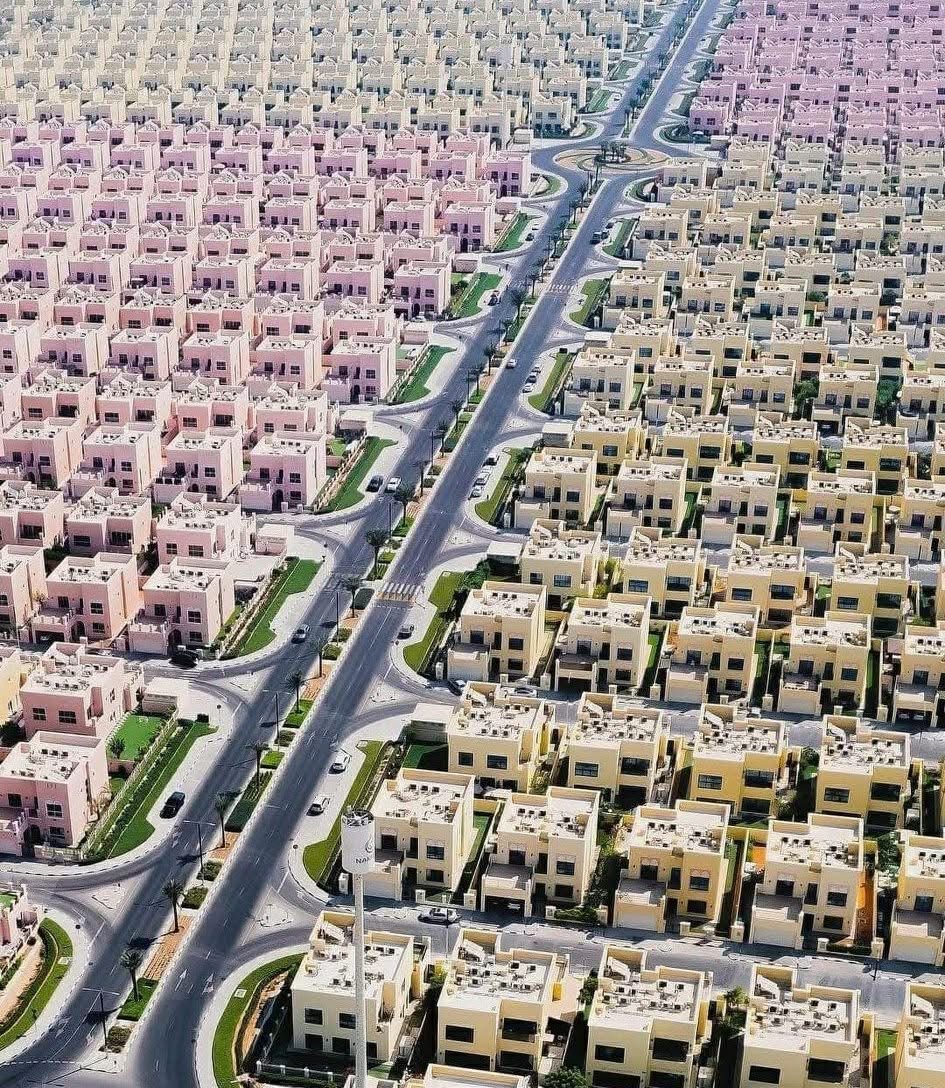
Saudi Arabia is experiencing one of the most ambitious construction and development phases in its history. From large-scale housing programs and new cities to industrial zones and infrastructure upgrades, the demand for faster, smarter, and more efficient construction methods has never been higher. In this environment, modular construction is rapidly emerging as a preferred solution—reshaping how buildings are designed, delivered, and operated across the Kingdom.
For developers, government entities, and private investors alike, modular construction offers a practical response to the challenges of speed, cost control, quality, and scalability. Companies such as New Modular General Contracting Company are playing a key role in bringing this approach to the Saudi market with locally adapted, regulation-compliant solutions.
What Is Modular Construction?
Modular construction is a building method where structures are produced as pre-engineered modules in a controlled off-site environment, then transported and assembled on-site. Each module is built to precise specifications and designed to integrate seamlessly with other modules, forming a complete building.
Unlike traditional construction—where most activities happen on-site over long timelines—modular construction allows parallel progress. While foundations and site works are underway, modules are manufactured at the same time, dramatically reducing overall project duration.
Why Saudi Arabia Is the Perfect Market for Modular Construction
Saudi Arabia’s construction landscape presents unique demands that modular construction is particularly well-suited to address.
1. Vision 2030 and Accelerated Development
Vision 2030 has triggered unprecedented investment in housing, infrastructure, tourism, healthcare, and education. These projects require rapid delivery without compromising quality—a core strength of modular construction.
2. Large-Scale Housing Demand
Meeting national housing targets requires repeatable, scalable building systems. Modular construction enables consistent quality across hundreds or thousands of units, making it ideal for mass housing and residential compounds.
3. Climate and Site Conditions
Extreme temperatures, remote locations, and limited on-site labor availability can slow traditional construction. Modular construction minimizes on-site work and improves productivity under challenging conditions.
Speed: The Biggest Advantage of Modular Construction
One of the most compelling reasons modular construction is gaining traction in Saudi Arabia is speed.
- Modules are fabricated off-site while site preparation is ongoing
- Installation on-site is fast and highly organized
- Weather-related delays are significantly reduced
Result: Projects can be completed 30–50% faster than conventional construction. For developers, this means earlier occupancy, quicker revenue generation, and stronger cash flow.
Cost Efficiency and Budget Certainty
Cost overruns are a common challenge in traditional construction. Modular construction offers better cost control through:
- Standardized designs and processes
- Reduced material waste
- Fewer delays and rework
- Predictable manufacturing costs
Because much of the work is completed in a controlled environment, budgets are more reliable. This is especially valuable in Saudi Arabia, where large projects involve multiple stakeholders and tight financial oversight.
Consistent Quality at Scale
In traditional construction, quality can vary depending on labor availability, site conditions, and supervision. Modular construction significantly reduces this risk.
Key Quality Advantages
- Factory-controlled production environments
- Standardized inspection and testing procedures
- Precision-engineered components
- Repeatable results across all units
For government programs and large developers, this level of consistency is critical to maintaining brand reputation and long-term asset value.
Improved Safety and Reduced Site Risk
Construction safety is a major priority in Saudi Arabia. Modular construction improves safety by:
- Reducing the number of workers on-site
- Minimizing high-risk activities such as working at height
- Shifting complex tasks to controlled factory environments
Fewer on-site activities translate into lower accident rates and better compliance with safety regulations.
Sustainability and Environmental Benefits
Sustainability is becoming an increasingly important consideration in Saudi construction projects. Modular construction supports environmental goals through:
- Reduced material waste
- Efficient use of resources
- Lower site disturbance
- Improved energy performance through better-quality building envelopes
These advantages align closely with Saudi Arabia’s long-term sustainability objectives and responsible development strategies.
Where Modular Construction Is Being Used in Saudi Arabia
Modular construction is not limited to one sector. It is being successfully applied across a wide range of project types:
Residential Projects
- Government housing initiatives
- Private residential compounds
- Labor accommodations
Commercial & Institutional Buildings
- Offices and administrative buildings
- Schools and training centers
- Clinics and healthcare facilities
Industrial & Infrastructure Support
- Warehouses and workshops
- Site offices and camps
- Utility and support buildings
Its flexibility makes modular construction suitable for both temporary and permanent structures.
Overcoming Common Misconceptions
Despite its advantages, modular construction is sometimes misunderstood. Common myths include:
- “Modular buildings are temporary” – In reality, modern modular buildings meet the same structural and durability standards as traditional buildings.
- “Design options are limited” – Modular construction today allows extensive customization in layout, façade, and finishes.
- “Quality is lower” – Factory-controlled production often results in higher and more consistent quality than site-built structures.
As awareness grows, these misconceptions are quickly being replaced by real-world success stories.
The Role of the Right Contractor
While modular construction offers many benefits, successful delivery depends heavily on the contractor’s expertise. Proper planning, engineering coordination, logistics management, and regulatory compliance are essential.
Experienced contractors like New Modular General Contracting Company provide end-to-end modular solutions—integrating design, manufacturing, installation, MEP systems, finishing works, and even long-term maintenance. This integrated approach ensures modular projects perform as intended throughout their lifecycle.
Modular Construction and the Future of Saudi Building
As Saudi Arabia continues its rapid transformation, modular construction is no longer an alternative—it is becoming a strategic necessity. Its ability to deliver speed, quality, cost efficiency, and scalability makes it a powerful tool for meeting national development goals.
From Vision 2030 mega-projects to private sector developments, modular construction is helping the Kingdom build faster, smarter, and more sustainably.
Conclusion
Modular construction is shaping the future of building in Saudi Arabia by addressing the core challenges of time, cost, quality, and scale. As demand for efficient construction solutions grows, modular methods will continue to play a central role in the Kingdom’s development journey.
For organizations seeking a competitive edge in today’s fast-moving construction market, embracing modular construction is not just an innovation—it is a smart business decision.